How should I dust off my fake flowers/flower decorations?
For most commercial-use faux flowers, the safest first step is dry dusting with a soft brush, microfiber cloth, or low-pressure air cleaning.
We usually suggest avoiding soaking or heavy wet cleaning until the buyer confirms the flower material, petal finish, glued joints, and whether the arrangement is built for simple wipe-clean care.
From our side as a supplier, the practical question is not only how to remove dust from one arrangement today. It is whether the chosen flower direction will stay easy to maintain through retail display, hospitality styling, showroom use, or repeated event handling.
If your team is already comparing real-touch flowers, bouquet styles, MOQ, or sample options, the fastest next step is Send Inquiry.
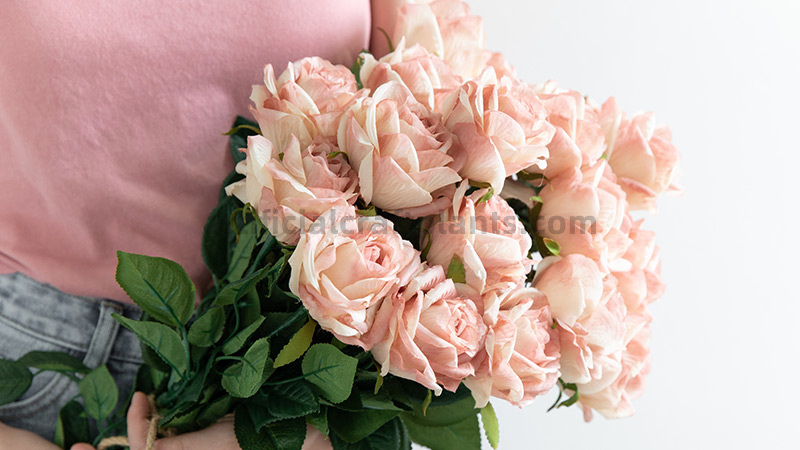
Who this guide is for
We wrote this guide for:
- wholesalers comparing easier-care faux flower lines
- retail buyers using bouquets and floral arrangements in display programs
- hospitality teams placing faux flowers in reception, dining, or guest-facing areas
- event and project buyers who need attractive floral decor without fragile daily upkeep
If you want the wider product range first, start with Products.
If you want supplier and export support first, use Wholesale of Artificial Plants.
If your project is mainly about flower sourcing, keep Real-touch artificial flowers wholesale guide for distributors and importers open as well.
1. Start with dry dusting before trying wet cleaning
For most faux flowers, dry dusting is the safest first move.
That usually means:
- a soft brush for petals and tighter details
- a microfiber cloth for smoother leaves or outer surfaces
- low-pressure air cleaning for layered bouquet structures
We usually move to damp-cloth cleaning only after confirming the arrangement can handle it.
This matters because flower petals, glued joints, and decorative finishes are often more delicate than standard faux plant leaves.
2. The right method depends on the flower format
There is no single dusting method that fits every faux flower product.
We usually separate the advice like this:
Single stems
These are usually easier to dust because the structure is open and the petals are easier to reach. They fit buyers who want more flexible arrangement building and easier routine care.
Bouquets and bunches
These often trap more dust because the stems and flower heads sit closer together. Buyers usually need softer brushing or air cleaning to avoid flattening the shape.
Ready arrangements and decorative centerpieces
These can look stronger visually, but they may also include glued parts, fixed foam bases, ribbons, or decorative accessories. We usually suggest more careful handling before any wet-clean method is used.
3. Placement changes how quickly dust becomes visible
The same flower arrangement can behave very differently depending on where it is displayed.
We usually ask whether the faux flowers are used in:
- store windows
- cashier or counter displays
- hotel reception areas
- restaurant tables or dining-adjacent spaces
- event staging
- general showroom or office interiors
This matters because air movement, handling frequency, and surface film are not the same in each location.
A bouquet in a quiet showroom usually needs a different care routine than one placed in a restaurant, event venue, or front retail window.
4. Wet cleaning should only be used after the construction is clear
Buyers often ask whether faux flowers can be rinsed, dipped, or wiped with cleaning solution.
Before giving that answer, we usually want to know:
- whether the petals are fabric, plastic, PE, or mixed material
- whether the arrangement includes glued joints
- whether the finish is standard or more premium real-touch
- whether the item is a loose stem, bouquet, or fixed arrangement
If those points are unclear, stronger cleaning can create more risk than benefit.
For many commercial buyers, the better move is to confirm care expectations during sample review instead of improvising after installation.
5. Sample review should include a flower-care check
For faux flowers, sample approval should not stop at color and realism.
We usually suggest confirming:
- which dusting method is safest for the petals
- whether a damp cloth is acceptable
- whether the bouquet or arrangement can be reshaped after cleaning
- whether the finish shows dust quickly under the real display lighting
- whether a simpler flower format would reduce maintenance work
This is especially important for repeated retail programs, hospitality styling, and event decor where the same care routine must work across many pieces.
6. Sometimes the better answer is a lower-maintenance flower direction
Some faux flower styles look beautiful in photos but need more care in real commercial use.
From our side, we often help buyers compare:
- softer premium-looking petals versus easier-care structures
- fuller bouquets versus more open bouquet builds
- fixed decorative arrangements versus looser stem-based programs
- one-time event styling versus repeat-use commercial arrangements
That usually leads to a better result than trying to rescue a maintenance-heavy style later.
7. What we usually ask before recommending a care direction
To answer properly, we normally ask for:
- destination country
- flower type or arrangement type
- display environment
- whether the order is for retail, hospitality, events, or wholesale resale
- whether the buyer wants easier routine care or stronger visual fullness first
These details help us recommend not only how to dust the flowers, but whether the chosen product direction is right for the real use case.
Conclusion
The best way to dust off fake flowers is usually the gentlest dry-clean method that matches the petal material, bouquet structure, and display environment.
For most commercial-use faux flowers, that means starting with soft dry dusting, checking whether damp cleaning is safe, and choosing a flower direction that does not create unnecessary maintenance pressure later.
If you want the broader supplier discussion for faux flower assortments, continue with Real-touch artificial flowers wholesale guide for distributors and importers.
If you want the broader commercial maintenance guide, continue with Maintenance and Cleaning Guide for Faux Plants in Commercial Retail Spaces.
If you want the fastest follow-up, use Send Inquiry.

Hello everyone, I'm Li!By day, I'm a seasoned expert in the artificial plant industry, starting from the factory floor and working my way up to running my own successful business. In my free time, I’m passionate about running and often join trail runs with friends.Here to share what I've learned—let's grow together!