Cat Ate Artificial Flower Petals: Risks and Solutions
If a cat ate artificial flower petals, remove the rest of the arrangement from reach, check what else may have been attached to the petals, and watch for warning signs like vomiting, trouble breathing, lethargy, or loss of appetite.
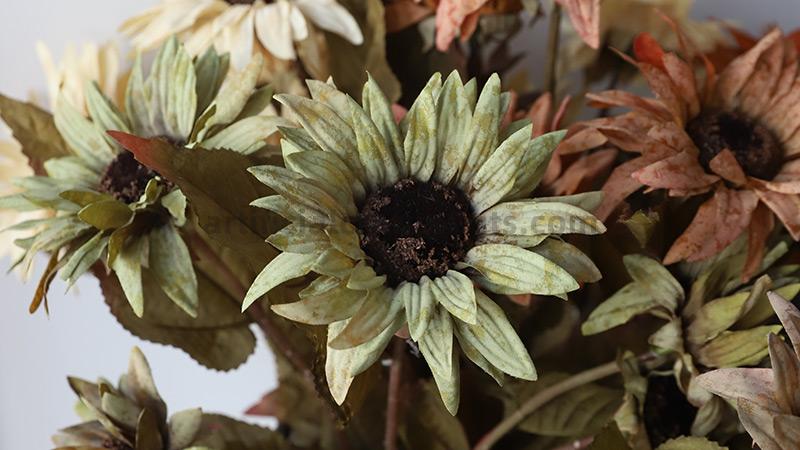
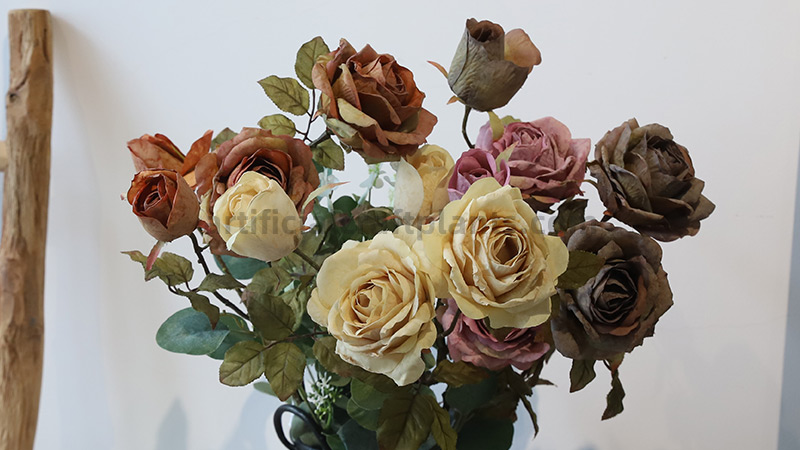
We usually suggest checking whether the cat swallowed only soft petal material or also glue, glitter, foam, wire, string, plastic centers, or other decorative parts.
From our side as a supplier, the real risk is often not the petal alone. It is the extra construction around the petal, especially when the arrangement includes wired stems, detachable ornaments, string-like parts, or heavier decorative coatings.
If your team is comparing lower-risk flower builds, simpler arrangements, MOQ, or sample options for cat-access interiors, the fastest next step is Send Inquiry.
Who this guide is for
We wrote this guide for:
- importers and wholesalers serving pet-conscious flower buyers
- retail teams using faux flowers in cat-access interiors
- buyers checking whether detachable flower details create unnecessary risk
- anyone who needs a practical next-step guide after a cat has already chewed or swallowed part of an artificial arrangement
If you want the broader product range first, start with Products.
If you want supplier and export support first, use Wholesale of Artificial Plants.
1. First identify what the cat may have swallowed
This question is more specific than it looks.
Many owners say "my cat ate a petal," but the actual exposure may include:
- soft fabric petals
- plastic petals
- glitter or painted coatings
- glued joins
- foam centers
- wire-reinforced petals or stems
- ribbon, string, or hanging decorative parts
That distinction matters because soft petal material may behave very differently from string-like or rigid decorative parts.
If possible, keep the remaining arrangement, packaging, or product photo nearby. That makes it easier to explain the exposure if you need veterinary advice.
2. What to do in the first few minutes
The safest first actions are usually simple:
- remove the remaining arrangement from reach
- check the mouth only if it can be done safely
- keep any loose pieces or labels
- note roughly how much may have been swallowed
- monitor the cat closely for changes in behavior or appetite
We do not suggest treating this like a casual home-decor cleanup problem.
If you think the cat may have been exposed to something toxic, or if sprayed, coated, or scented material was involved, the right move is to contact a veterinarian or poison help line promptly. Do not induce vomiting unless a veterinarian specifically tells you to do so. If string, ribbon, or another long piece is hanging from the mouth, do not pull it.
3. When the situation needs veterinary attention quickly
The problem is not always poisoning. It can also be obstruction or irritation from a foreign object.
We suggest acting faster if the cat shows:
- vomiting
- diarrhea
- lethargy
- loss of appetite
- abdominal discomfort
- repeated gagging
- unusual drooling
- pawing at the mouth
- difficulty breathing
The risk is higher when the swallowed part may include:
- string or ribbon
- wire
- floral picks
- hard plastic centers
- glued clumps
If the concern is broader cat deterrence before another chewing episode happens, continue with How to Keep My Cat Out of the Artificial Plants.
4. Why artificial flower petals can still become a real foreign-body problem
Many buyers assume artificial petals are harmless because they are not natural flowers.
That assumption is too broad.
The higher-risk situations usually involve the arrangement structure:
- wired stems that break or separate
- string-like decorative materials
- artificial berries or small add-ons
- foam inserts
- thick glue points
- heavy coatings or scented treatments
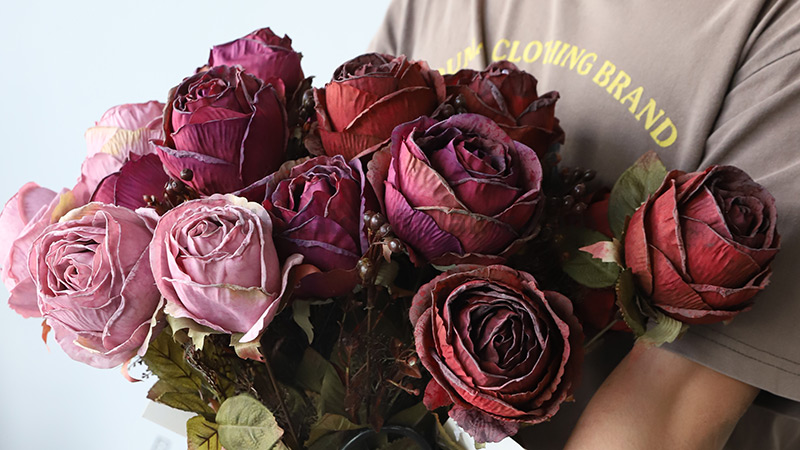
From our side, that is why product direction matters. A simpler flower build is often easier to manage than a highly decorative arrangement with many attached parts.
5. For cat-access interiors, lower-risk flower direction usually starts with simpler construction
After the immediate concern is handled, buyers often ask how to reduce the risk next time.
For cat-access interiors, we usually suggest comparing:
- simpler stems versus heavily decorated arrangements
- fewer detachable accessories
- cleaner petal construction
- more stable containers
- fewer string-like or hanging decorative elements
This is especially relevant for:
- countertop floral decor
- lower shelf displays
- reception flowers
- staged living-room sets
- retail floral props used near the floor
In many cases, the better answer is not a warning card. It is a different arrangement build.
6. Sample review should include a pet-access check
For buyers serving pet-conscious customers, sample review should not stop at color and realism.
We usually suggest checking:
- whether petals pull off easily
- whether any wire becomes exposed when the stem bends
- whether small decorative parts come loose
- whether the arrangement includes string, ribbon, or moss-like filler
- whether the base stays stable if nudged
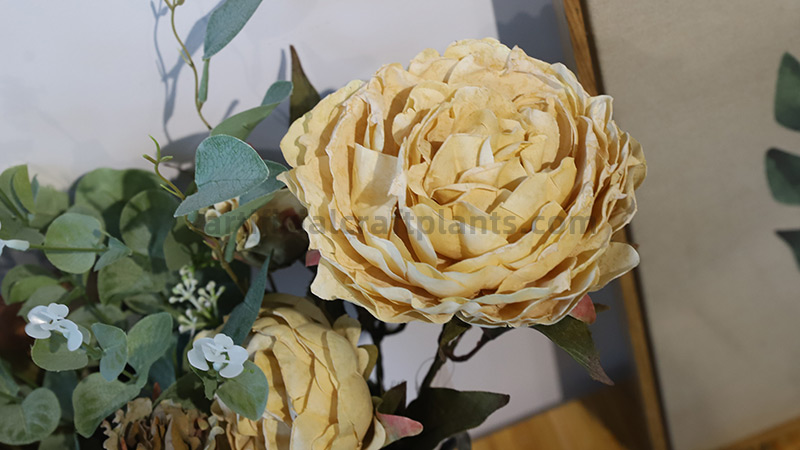
That is usually more useful than treating pet access as an afterthought once the assortment is already in production.
7. What we usually ask before recommending a lower-risk flower build
To answer properly, we normally ask for:
- destination country
- flower type
- whether the display is floor-level or elevated
- whether detachable decorative details are necessary
- whether the buyer prefers lower risk, easier maintenance, or stronger decorative fullness first
These details help us recommend not only a flower style, but a safer and more practical product direction for the real use environment.
Conclusion
If a cat ate artificial flower petals, the right next step depends on what was attached to the petals and whether the cat is showing symptoms.
The most practical first move is to stop access, identify the materials involved, and seek veterinary guidance promptly if the cat may have swallowed coated, wired, string-like, or otherwise non-soft parts, or if symptoms begin.
From the supplier side, the longer-term fix is usually a simpler flower build with fewer detachable details and a more stable display setup.
If you want the broader prevention page, continue with How to Keep My Cat Out of the Artificial Plants.
If you want the fastest supplier follow-up, use Send Inquiry.

Hello everyone, I'm Li!By day, I'm a seasoned expert in the artificial plant industry, starting from the factory floor and working my way up to running my own successful business. In my free time, I’m passionate about running and often join trail runs with friends.Here to share what I've learned—let's grow together!