How to Keep My Cat Out of the Artificial Plants
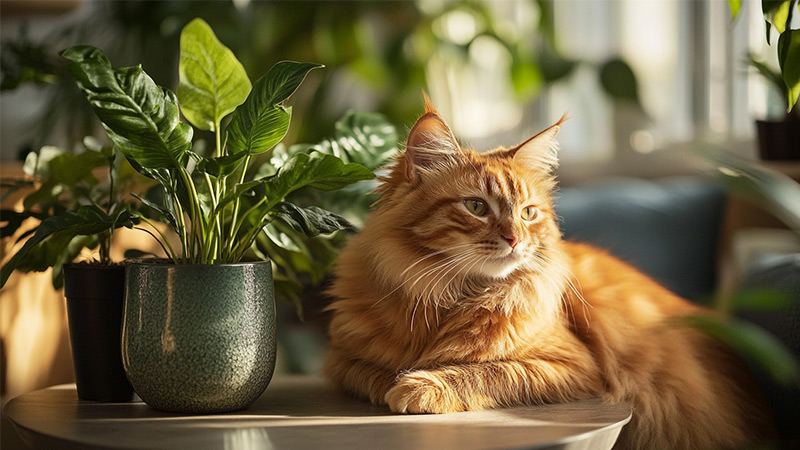
For most homes, the safest way to keep cats out of artificial plants is to start with placement, stable bases, and fewer chewable decorative parts, not with heavy sprays.
We usually suggest moving the display out of easy jumping range where possible, avoiding loose berries or detachable accessories, and choosing a plant direction that is less likely to be chewed, pulled, or tipped.
From our side as a supplier, the practical question is not only how to stop one cat from touching one arrangement today. It is whether the product itself is a good fit for a space where cats can reach, bat, or chew the display.
If your team is already comparing easier-manage plant styles, stable planters, MOQ, or sample options, the fastest next step is Send Inquiry.
Who this guide is for
We wrote this guide for:
- wholesalers serving pet-conscious home-decor buyers
- importers checking whether a style is practical for cat-access interiors
- retail buyers choosing displays that are less likely to be chewed or pulled down
- hospitality and project buyers placing faux greenery in lounges, waiting areas, or mixed-use interiors
If you want the broader category range first, start with Products.
If you want supplier and export support first, use Wholesale of Artificial Plants.
1. Start with placement and stability before trying any deterrent
The first fix is usually not a spray. It is the display setup.
In many cases, cats keep returning to artificial plants because the item is easy to reach, easy to move, or visually playful enough to invite batting and chewing.
We usually suggest checking:
- whether the plant is placed on the floor or on a reachable low table
- whether the planter is light enough to tip
- whether trailing leaves, hanging moss, or loose decorative parts are within paw range
- whether the display sits near a chair, shelf edge, window ledge, or other jumping point
For many buyers, the fastest improvement is:
- move the plant higher or farther back
- use a heavier or wider base
- reduce dangling decorative parts
- avoid placing the arrangement beside the cat's usual launch points
This is usually more reliable than trying to solve the problem with scent alone.
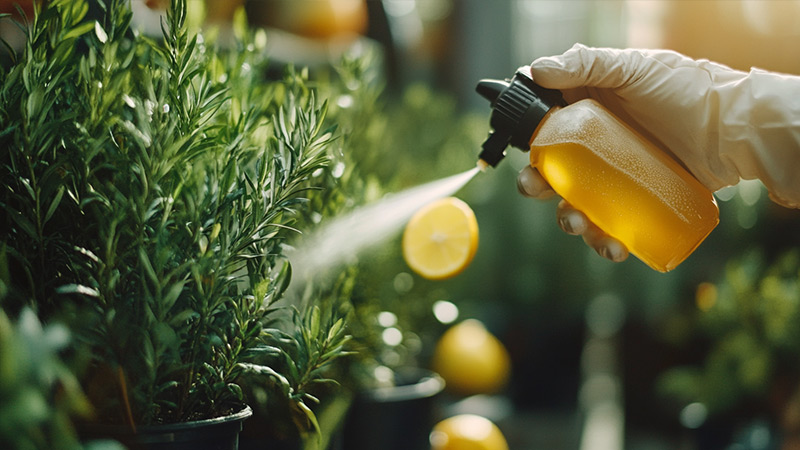
2. Do not assume every spray is a safe answer around cats
Many consumer articles recommend strong-smell sprays as the first answer.
We do not treat that as the default commercial recommendation.
In cat-access spaces, strong essential-oil sprays, harsh household chemicals, or heavy fragrance products can create a different problem around the display itself. If the cat has already chewed, licked, or swallowed part of the plant or anything sprayed on it, the better move is to contact a veterinarian or a poison help service instead of trying home treatment.
That is why we usually suggest this order:
- fix placement
- reduce chewable parts
- improve base stability
- only then consider a low-risk deterrence method that does not turn the plant into a new exposure point
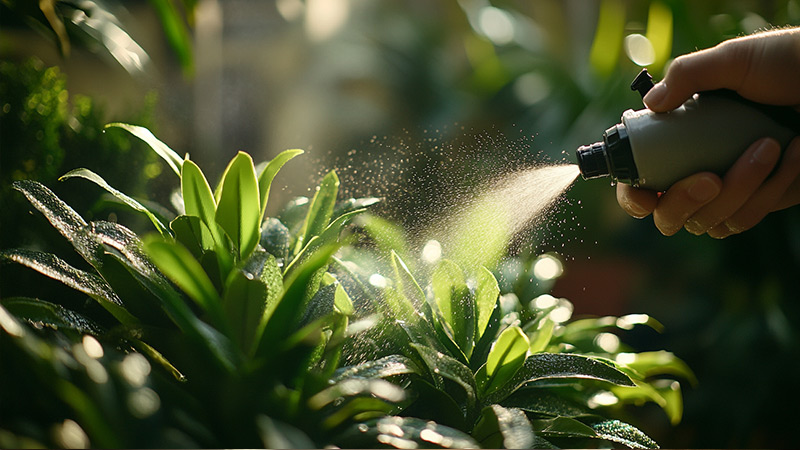
If a buyer still wants a deterrence layer, we usually suggest discussing the environment first rather than putting strong-smell products directly on the faux foliage.
3. The plant build matters more than most buyers expect
Some artificial plants are simply more tempting to cats than others.
The highest-risk details are usually not the main leaves. They are the small add-on parts:
- decorative berries
- detachable flowers
- glitter-coated accessories
- exposed wire ends
- hanging moss or shredded filler
- very light planters that move easily when touched
By comparison, a simpler foliage structure with a stable base is usually easier to manage.
From our side, buyers who want a lower-risk direction for cat-access interiors often ask for:
- fewer detachable decorative parts
- cleaner leaf shapes
- stronger stem and branch fixing
- heavier planter direction
- less movement at the edge of the arrangement
That usually leads to a better result than buying a high-detail decorative piece first and then trying to stop the cat from interacting with it later.
4. If the cat keeps chewing, solve the environment, not only the plant
Chewing and batting are often behavior problems before they become plant problems.
Cats may return to the same faux plant because:
- the item moves when touched
- the leaves or berries feel interesting
- the cat is bored and keeps revisiting the same object
- the display sits in a frequently watched area like a window, shelf edge, or entry corner
In those situations, the better approach is usually to reduce access and redirect interest.
That may include:
- moving the arrangement
- removing loose picks or accessories
- offering a more appropriate play or chew alternative
- reducing the number of low, lightweight faux plants in the cat's regular route
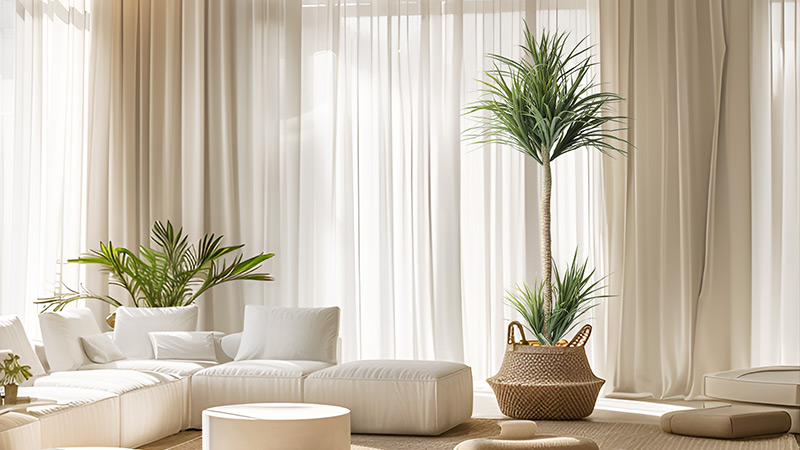
For importers and retailers, this matters because the right answer is not always "sell the same plant with a warning." Sometimes the better answer is to sell a different plant direction to the right buyer segment.
5. If the cat has already chewed or swallowed parts, stop the deterrence discussion and assess the risk
This is where the question changes.
If the cat has already swallowed:
- petals
- berries
- filler
- glued decorations
- wire fragments
- sprayed residue
the next step is no longer "how do I keep the cat away?" It becomes "does this cat need veterinary help now?"
We suggest acting faster if the cat shows:
- vomiting
- unusual drooling
- trouble breathing
- repeated gagging
- lethargy
- loss of appetite
- obvious mouth irritation
If the concern is specifically that the cat already swallowed faux flower petals or decorative flower parts, continue with Cat Ate Artificial Flower Petals: Risks and Solutions.
6. For many buyers, the better answer is a different product direction
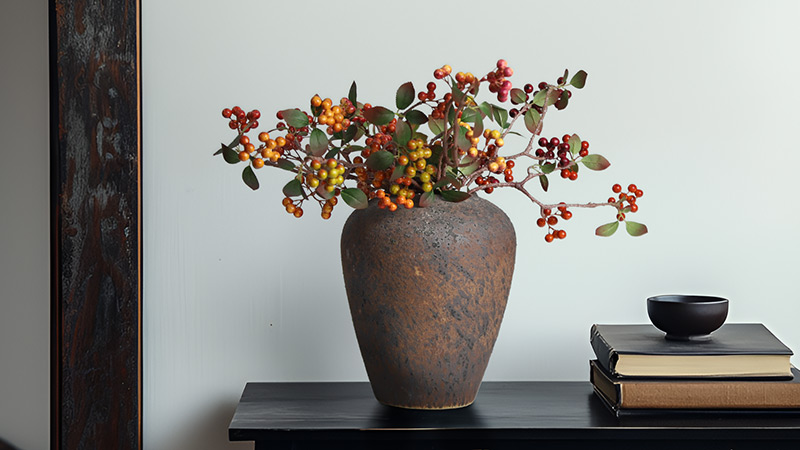
Some artificial plants look attractive in photos but are not the easiest fit for pet-access interiors.
From our side, buyers often compare:
- fuller decorative styling versus simpler practical styling
- lighter planters versus more stable bases
- highly decorative add-ons versus cleaner core foliage
- one-time display impact versus easier day-to-day management
That comparison is often more useful than asking for a spray recommendation after the product has already been chosen.
In real commercial discussions, we usually narrow the decision by:
- where the plant will be placed
- whether cats can reach floor-level displays
- whether the buyer prefers lower maintenance or higher decorative detail
- whether detachable berries, flowers, or moss are acceptable
7. What we usually ask before recommending a cat-aware product direction
To answer properly, we normally ask for:
- destination country
- use environment
- whether the plant will sit on the floor, shelf, counter, or ledge
- whether the buyer wants decorative accessories or a cleaner foliage build
- whether the project is for resale, retail display, hospitality, or mixed commercial use
These details help us recommend not only how to reduce cat interaction, but whether the original product direction is right for that space at all.
Conclusion
The best way to keep a cat out of artificial plants is usually to reduce access, remove tempting loose parts, and choose a more stable plant direction before relying on sprays.
For most buyers, that means placement first, product structure second, and deterrence methods only after the display itself is no longer easy to chew, pull, or tip.
If the issue is that the cat has already chewed or swallowed decorative parts, continue with Cat Ate Artificial Flower Petals: Risks and Solutions.
If you want the fastest supplier follow-up, use Send Inquiry.

Hello everyone, I'm Li!By day, I'm a seasoned expert in the artificial plant industry, starting from the factory floor and working my way up to running my own successful business. In my free time, I’m passionate about running and often join trail runs with friends.Here to share what I've learned—let's grow together!