What is the best way to get dust off of artificial plants?
For most commercial-use artificial plants, the best first step is dry dust removal, not heavy wet cleaning.
We usually suggest starting with a microfiber cloth, soft duster, or low-pressure air cleaning, then deciding whether the foliage can handle a deeper wipe based on the material, leaf structure, and display environment.
From our side as a supplier, the real question is not only how to remove dust today. It is whether the product direction is easy enough to keep clean through the buyer's actual display cycle.
If your team is already comparing easier-clean foliage, samples, MOQ, or project fit, the fastest next step is Send Inquiry.
Who this guide is for
We wrote this guide for:
- importers and wholesalers checking whether a product line will stay easy to maintain
- retail display teams handling artificial plants in windows, shelves, and branded corners
- hospitality buyers who need faux greenery to stay clean in guest-facing areas
- project buyers comparing denser, fuller foliage against easier-clean structures
If you want the broader category range first, start with Products.
If you want supplier and export support first, use Wholesale of Artificial Plants.
1. Start with dry cleaning before wet cleaning
For most artificial plants, the safest first move is to remove loose dust without adding moisture.
That usually means:
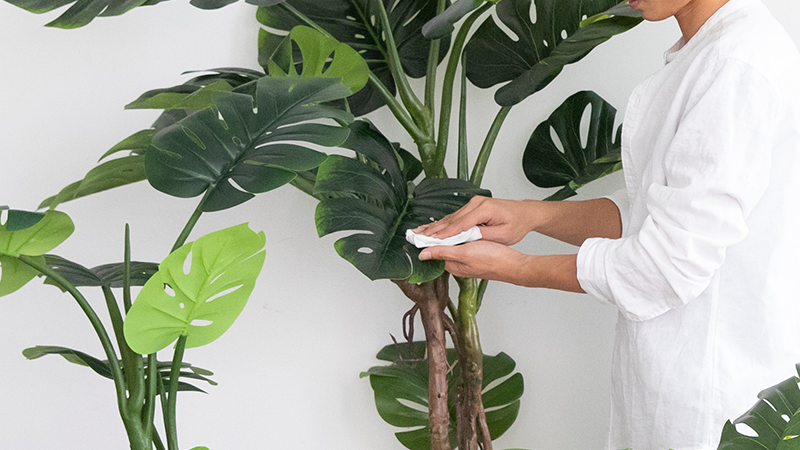
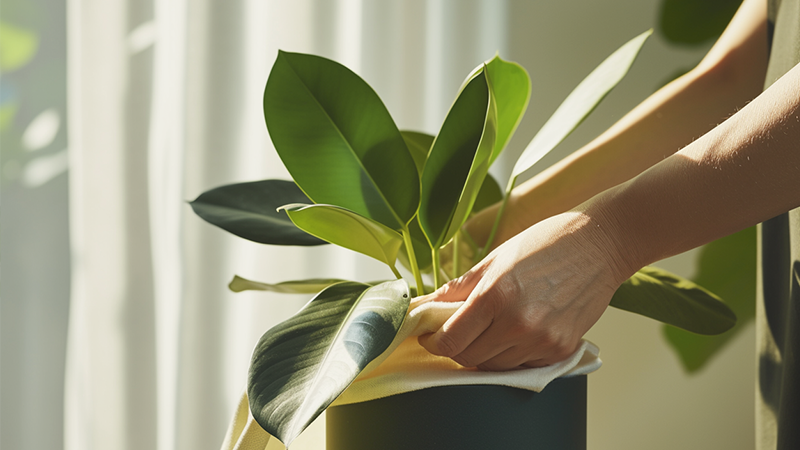
- a microfiber cloth for accessible leaves
- a soft duster for larger surfaces
- low-pressure air cleaning for tighter foliage areas
We usually move to wet wiping only after confirming the material and finish can handle it.
This matters because many cleaning complaints are not really about dust. They start when the wrong method is used on the wrong surface.
2. The best method depends on the foliage structure
There is no single best method for every artificial plant.
We usually separate the decision by product direction:
Smoother leaves and simpler structures
These are usually easier to wipe and maintain. They fit buyers who want quicker routine cleaning across stores, showrooms, or commercial interiors.
Dense foliage and layered branches
These usually create a fuller look, but they can trap more dust. Buyers should expect more careful dusting or air cleaning if the leaves are packed tightly.
Large artificial trees
For larger trees, the question is not only how to remove dust. It is also whether the maintenance team can reach the upper structure, whether reshaping is needed after cleaning, and whether the tree is placed where dust exposure is heavier.
3. Display location changes the right cleaning method
The same artificial plant can be easy to clean in one location and difficult in another.
We usually ask buyers where the plant will be used:
- store window
- entrance zone
- shelf display
- reception area
- restaurant or food-adjacent space
- general indoor commercial area
This matters because dust load, handling frequency, and exposure are not the same in each place.
If the plant sits near brighter windows or hotter lighting, the buyer should also think about fading risk, not only dust removal. If that is your next question, continue with Artificial Plant Fading Problems? B2B Quality Assurance Tips to Avoid Discoloration Pitfalls.
4. A quick wipe is not always the right answer
Buyers often assume that wiping everything with a damp cloth is the simplest solution. In practice, that can be too rough for some products or unnecessary for light surface dust.
Before choosing the method, we usually want to know:
- whether the item is PE, plastic, fabric, or mixed material
- whether the finish is smooth, textured, or flocked
- whether the dust is light surface dust or heavier buildup
- whether the plant is part of a one-time display or a longer commercial program
The better the product-fit discussion is before order, the less likely the buyer is to struggle with maintenance later.
5. Sample approval should include a cleaning check
For commercial buyers, one useful habit is to include a basic cleaning review when checking samples.
We suggest confirming:
- which dry-clean method is safest
- whether a damp cloth is acceptable
- whether the foliage can be reshaped after cleaning
- whether dust will be more visible because of the chosen finish or density
- whether a simpler foliage direction would reduce long-term maintenance work
This is especially useful for importers, retail programs, and repeat orders where the same care method needs to work across multiple locations.
6. The best long-term answer may be a different product direction
Sometimes the issue is not the cleaning tool. It is that the chosen artificial plant is too dense, too delicate, or too maintenance-heavy for the real commercial environment.
From our side, we often help buyers narrow:
- easier-clean versus fuller-look foliage
- stock options versus more project-specific options
- general indoor decorative use versus brighter, more exposed placement
That is usually a more useful conversation than trying to fix a heavy-maintenance choice after installation.
7. When buyers ask this question, we usually need these details
To answer properly, we normally ask for:
- destination country
- use environment
- approximate size and quantity
- whether the order is for retail, hospitality, or wholesale resale
- whether the buyer needs easy daily upkeep or only occasional cleaning
These details help us recommend not only a cleaning method, but a more suitable product direction before sample or bulk order.
Conclusion
The best way to get dust off artificial plants is usually the gentlest method that matches the material and the real display environment.
For most commercial-use products, that means starting with dry dust removal, confirming whether wipe-clean care is safe, and making sure the foliage structure is realistic for the buyer's maintenance capacity.
If you want the broader maintenance discussion, continue with Maintenance and Cleaning Guide for Faux Plants in Commercial Retail Spaces.
If you want the fastest follow-up, use Send Inquiry.

Hello everyone, I'm Li!By day, I'm a seasoned expert in the artificial plant industry, starting from the factory floor and working my way up to running my own successful business. In my free time, I’m passionate about running and often join trail runs with friends.Here to share what I've learned—let's grow together!