UV-Resistant Artificial Plants: The Definitive Guide for Commercial Decor
UV-resistant artificial plants are engineered with protective coatings or UV-stable polymers to prevent fading, brittleness, and color degradation when exposed to sunlight. For commercial decor, this translates to significantly lower long-term costs, consistent aesthetic appeal without frequent replacement, and the flexibility to enhance any space, regardless of natural light conditions.
Introduction
Maintaining vibrant, welcoming greenery in commercial spaces like hotels, offices, and retail centers is a constant challenge. Natural plants require specific light, water, and maintenance, often failing in low-light atriums or sun-drenched lobbies. This leads to high replacement costs and inconsistent decor quality. UV-resistant artificial plants provide a reliable, aesthetically consistent solution that withstands direct sunlight, eliminating the core pain points of live foliage in demanding commercial environments.
What Are UV-Resistant Artificial Plants?
- They are fabricated from materials—such as polyethylene (PE), silk, or plastic—that have been treated with UV-inhibiting chemicals[1] or are inherently UV-stable.
- The resistance is measured by the length of time (often in years) the materials can withstand direct UV exposure before showing significant fading, typically rated for 3, 5, or 10+ years.
Key Features & B2B Analysis
Superior Fade Resistance and Material Integrity
UV-resistant coatings absorb or reflect harmful ultraviolet rays, which means pigments in leaves and stems do not break down. For a business, this ensures the initial design intent and brand ambiance—be it a serene spa or a vibrant restaurant—remains intact for years without the faded, washed-out appearance of non-treated alternatives.
Compliance with Commercial Durability Standards
High-quality commercial-grade UV-resistant plants often reference testing against standards like ASTM G154 (for fluorescent UV exposure apparatus operation) or ISO 4892-3 (for weathering via UV fluorescent lamps). Specifying products tested to these standards provides a verifiable benchmark for longevity, reducing procurement risk and justifying investment to facility managers.

Low Maintenance and Hygiene
These plants require no water, soil, or specific sunlight, which means facility staff can reallocate hours from plant care to other critical tasks. Furthermore, they do not attract pests or promote mold, contributing to a healthier indoor environment—a key consideration for healthcare facilities and corporate offices.
Comparative Analysis: UV-Resistant vs. Standard Artificial Plants
For a commercial buyer, the choice directly impacts operational budget and visual consistency.
| Feature | UV-Resistant Artificial Plants | Standard Artificial Plants | Impact on Business |
|---|---|---|---|
| Color Retention | High (3-10+ years with minimal fading) | Low (May fade within 6-18 months) | Maintains brand image and design integrity; avoids frequent, disruptive redecorating. |
| Material Durability | Remains flexible, less prone to cracking | Becomes brittle and cracks under UV exposure | Reduces safety hazards from broken parts and lowers replacement frequency. |
| Initial Cost | Higher (Premium of 20-50%) | Lower | Higher upfront cost is offset by a superior total cost of ownership (TCO). |
| Lifespan in Sunlit Areas | Long-term (Years) | Short-term (Months) | Transforms sunlit spaces (atriums, window walls) from problematic to premium design features. |
Expert Verdict: Pros & Cons
Best For: High-traffic commercial spaces with significant natural or artificial UV exposure, such as hotel atriums, shopping malls, office building entrances, sunrooms, and outdoor covered patios.
-
Pros:
- Long-Term Cost Savings: Eliminates the cyclical cost of replacing faded plants, offering a higher return on investment.
- Design Flexibility: Enables consistent greenery in locations unsuitable for live plants (no light or too much light).
- Reduced Operational Burden: Requires only occasional dusting, freeing up maintenance resources.
- All-Weather Consistency: Performs equally well in indoor spaces with strong halogen/fluorescent lighting.
-
Cons:
- Higher Initial Investment: Premium quality commands a higher upfront price point.
- Quality Variance: Not all "UV-resistant" claims are equal; due diligence on manufacturer testing data is required.
- Insider Reality: Even high-quality UV-resistant plants will eventually fade under extreme, direct, constant sunlight—but over a period of years rather than months.
Conclusion
For commercial decor, UV resistance is not merely a feature but a critical specification for durability and budget management. It shifts artificial plants from a short-term decorative item to a long-term architectural and design asset. By selecting products backed by relevant material standards and clear durability ratings, facility managers, designers, and architects can create perpetually vibrant spaces that support brand identity and operational efficiency.
References
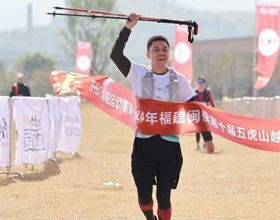
Hello everyone, I'm Li!By day, I'm a seasoned expert in the artificial plant industry, starting from the factory floor and working my way up to running my own successful business. In my free time, I’m passionate about running and often join trail runs with friends.Here to share what I've learned—let's grow together!