Natural Flowers or Artificial Flowers?
Choosing between natural and artificial flowers involves weighing aesthetics, cost, maintenance, and environmental impact. This comprehensive guide compares both options across key decision-making factors to help you select the perfect blooms for your home or event.
Understanding Floral Options
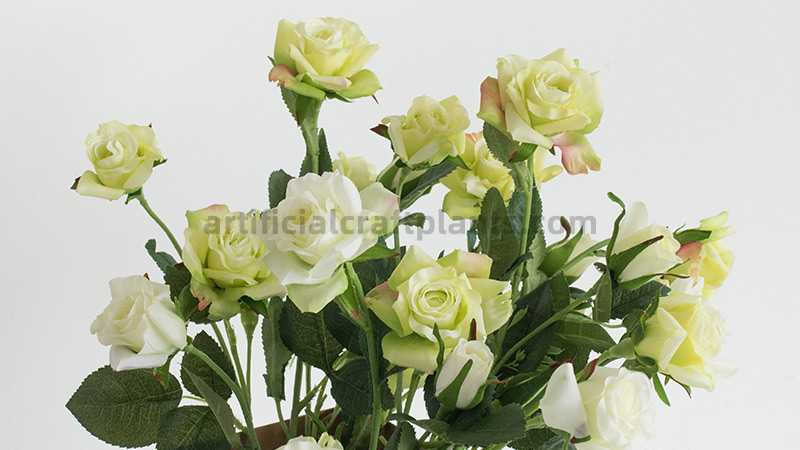
Before deciding, let's clarify what each option truly offers. Natural flowers provide authentic beauty but come with limitations. Artificial alternatives offer practical solutions while constantly improving in realism.
Defining Natural Flowers
Grown from seeds and harvested at peak bloom, natural flowers are living organisms with delicate cellular structures. Their ephemeral nature gives them unique charm but also creates challenges.
Defining Artificial Flowers
Crafted from silk, latex, or recycled plastics, modern artificial flowers undergo meticulous design processes. Technological advancements now create pieces indistinguishable from real blooms to the untrained eye.
Comparing Key Decision Factors
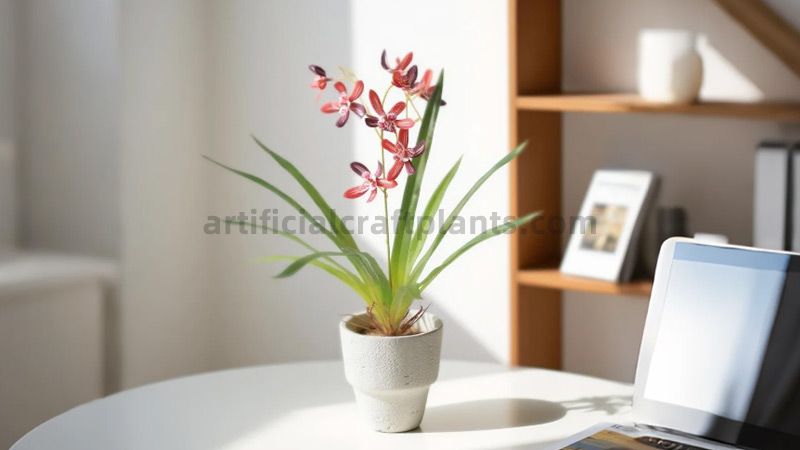
Your floral decision ultimately depends on how different factors align with your specific needs and values. Let's break down the critical considerations.
Cost Analysis Over Time
Natural flowers appear cheaper initially but become recurring expenses. Artificial options demand higher upfront investment but last for years. Seriously, calculate your long-term budget before choosing.
Maintenance Requirements
Fresh blooms need daily watering, climate control, and eventual replacement - consuming significant time. Artificial varieties only require occasional dusting, making them ideal for busy lifestyles.
Lifespan Expectations
While natural flowers typically last 7-10 days, quality artificial arrangements maintain perfection for 2-5 years. This durability makes them practical for permanent installations or seasonal reuse.
Environmental Impact Considerations
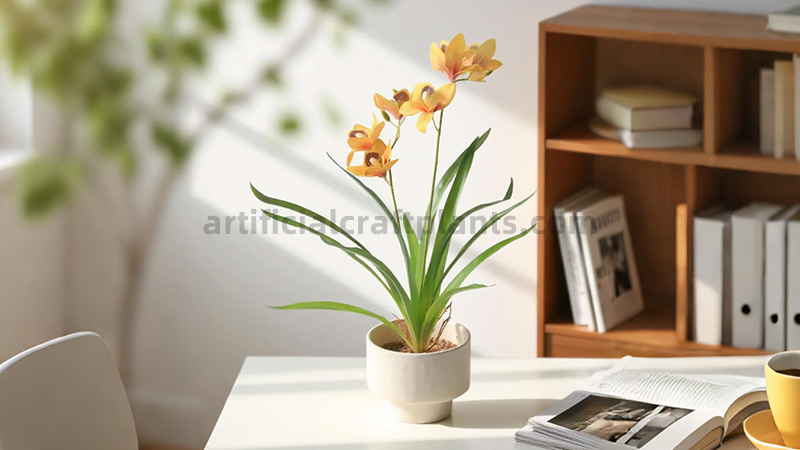
Your floral choice carries ecological consequences often overlooked. Both options present environmental trade-offs worth examining.
Natural Flowers' Footprint
Pesticide use, water consumption, and refrigerated transportation create significant carbon costs. However, they remain fully biodegradable at life's end.
Artificial Flowers' Footprint
Petroleum-based materials and manufacturing generate emissions, though modern recycling programs help. Their longevity offsets waste through repeated use over years.
Making Your Floral Decision
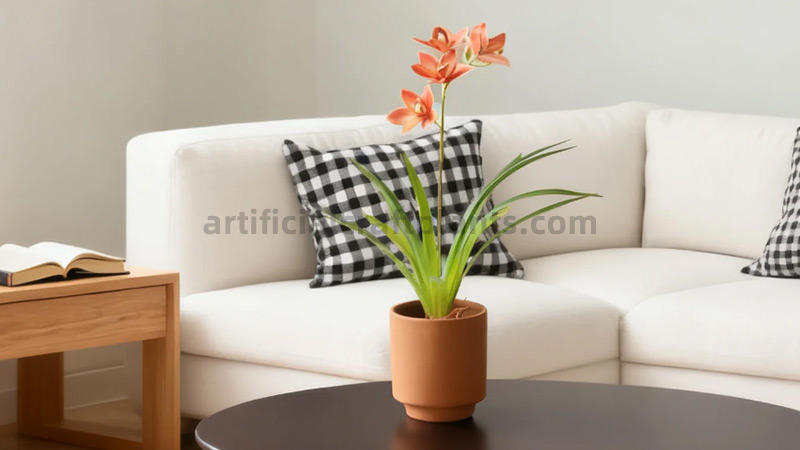
With key factors examined, let's match floral types to specific scenarios where each shines brightest.
When Natural Blooms Excel
Choose fresh flowers for special occasions where fragrance and symbolism matter most - weddings, anniversaries, or romantic gestures where temporary beauty enhances meaning.
When Artificial Solutions Win
Opt for artificial arrangements in high-traffic areas, allergy-sensitive spaces, or locations with poor light. They're perfect for commercial spaces, holiday decor, or hard-to-reach spots.
Sourcing and Styling Tips
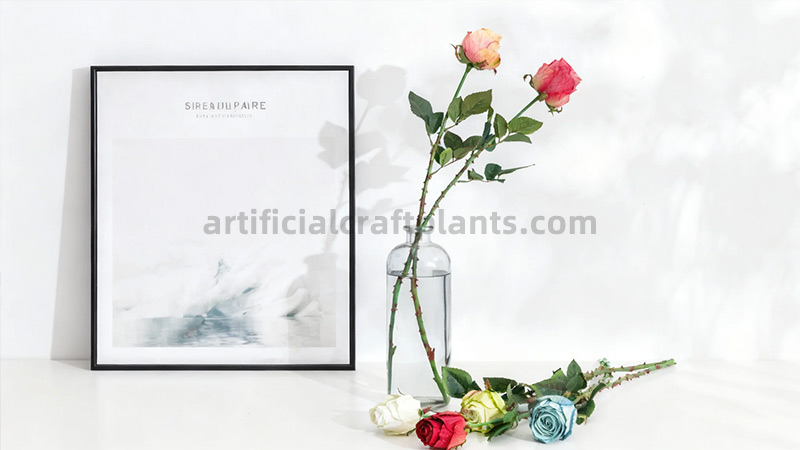
Where to find quality options and how to style them effectively to maximize their potential in your space.
Finding Quality Suppliers
Local florists offer the freshest natural blooms while specialty online retailers provide premium artificial options. Actually, visit showrooms to assess material quality firsthand.
Arrangement Techniques
Combine both types! Use artificial flowers as permanent base arrangements and supplement with fresh seasonal blooms. This hybrid approach offers both consistency and seasonal variety.
Ultimately, there's no universal right answer - just what works best for your unique situation, budget, and values. Both floral types have earned their place in modern decor.

Hello everyone, I'm Li!By day, I'm a seasoned expert in the artificial plant industry, starting from the factory floor and working my way up to running my own successful business. In my free time, I’m passionate about running and often join trail runs with friends.Here to share what I've learned—let's grow together!