Do Artificial Flowers Fade?
Artificial flowers offer lasting beauty without maintenance, but will they fade over time? We'll examine material science, environmental factors, and care techniques that impact longevity. Seriously, understanding these factors helps you make informed decor choices.
Understanding Artificial Flower Materials
Different materials react uniquely to environmental stressors. Silk flowers might discolor under UV exposure1, while plastic varieties could become brittle. Polyester blends often provide the best fade resistance.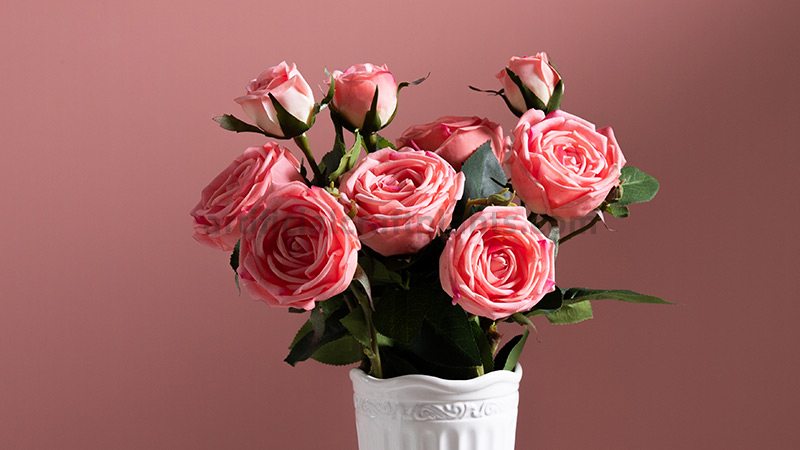
Synthetic Fiber Science
High-quality UV-treated polyethylene maintains vibrancy for years2. You'll notice cheaper latex options deteriorate faster - that bargain bouquet might not last through a single season!
Environmental Factors Affecting Longevity
Sun exposure is the primary fading culprit3. We've all seen how sunlight bleaches fabrics over time. Placement matters: south-facing windows accelerate fading while indirect light preserves colors.
Humidity and Temperature Impact
Extreme conditions cause materials to expand/contract, creating micro-fractures4. Bathrooms and outdoor spaces present unique challenges - moisture can literally wash away pigment molecules.
Choosing Fade-Resistant Artificial Flowers
Look for "UV-resistant" labeling and color-infused (not surface-painted) materials. Premium polyester blends withstand years of direct sunlight without noticeable fading5.
Material Comparison Guide
Consider silk for shaded interiors, but opt for polyethylene outdoors. Avoid plastic flowers near heat sources - they'll warp faster than ice cream in July!
Preventing and Managing Color Loss
Regular dusting maintains surface integrity. Apply UV-protectant sprays annually. Rotate arrangements seasonally to distribute light exposure evenly.
Restoration Techniques
Revive slightly faded flowers with fabric dye sprays. For severe fading, embrace the vintage look! Those pale pink roses might become charming shabby-chic decor.
Ultimately, quality artificial flowers can maintain vibrancy for 5+ years with proper care. They won't last forever, but neither do we!
References
-
Source: ScienceDirect, https://www.sciencedirect.com/science/article/pii/S0142941812002188 (Accessed: 2024-06-21) ↩
-
Source: Nature, https://www.nature.com/articles/s41598-019-38907-x (Accessed: 2024-06-21) ↩
-
Source: Energy.gov, https://www.energy.gov/energysaver/ultraviolet-protection (Accessed: 2024-06-21) ↩
-
Source: ScienceDirect, https://www.sciencedirect.com/science/article/pii/S0261306917310046 (Accessed: 2024-06-21) ↩
-
Source: ScienceDirect, https://www.sciencedirect.com/science/article/pii/S0142941815000898 (Accessed: 2024-06-21) ↩

Hello everyone, I'm Li!By day, I'm a seasoned expert in the artificial plant industry, starting from the factory floor and working my way up to running my own successful business. In my free time, I’m passionate about running and often join trail runs with friends.Here to share what I've learned—let's grow together!