What Fabric Should I Use to Make Fake Flowers?
Choosing the right fabric is essential for creating realistic, long-lasting artificial flowers. This guide explores the best fabric options, their unique properties, and how they impact your final creation's appearance and durability.
Why Fabric Choice Matters for Realistic Fake Flowers
Your fabric selection directly affects how lifelike your artificial blooms appear. Seriously, the right material holds shape, captures light authentically, and withstands environmental factors like sunlight or humidity. Consider texture, drape, and color vibrancy when planning your project.
Popular Fabric Options Compared
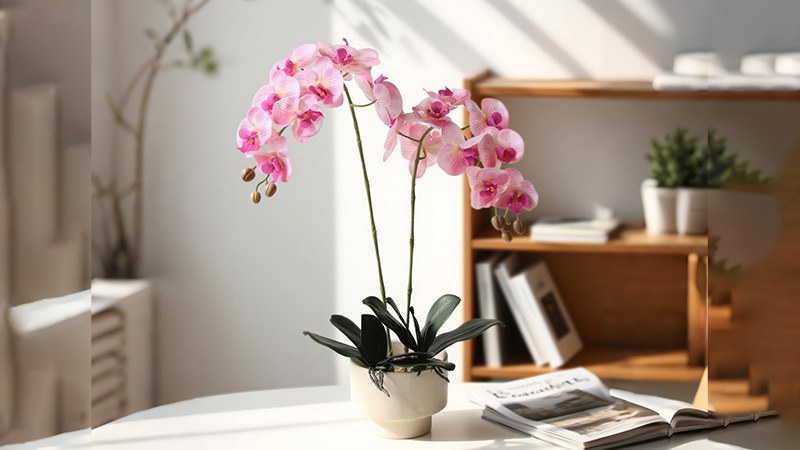
Silk: The Gold Standard
Silk's natural sheen mimics real flower petals beautifully. Its fluid drape creates organic movement, though it requires careful handling and costs more. Ideal for high-end arrangements where realism trumps budget concerns.
Polyester: The Versatile Performer
Polyester offers incredible color retention and durability at an affordable price point. It's mildew-resistant and holds crisp shapes well, making it perfect for outdoor arrangements. Actually, many commercial artificial flowers use polyester blends.
Cotton: The Eco-Friendly Choice
Breathable cotton works well for rustic or vintage-style arrangements. It accepts natural dyes beautifully but wrinkles easily. Consider it for dried-flower alternatives in bohemian designs.
Key Selection Factors for Your Project
Evaluate fabrics using these criteria:
- Drape quality: How naturally does it fold? (Silk > Polyester > Cotton)
- Color fastness: Will it fade in sunlight? (Polyester > Silk > Cotton)
- Ease of manipulation: How well does it hold creases? (Polyester > Cotton > Silk)
Step-by-Step Fabric Flower Construction
- Material Prep: Wash fabrics to prevent shrinkage
- Pattern Cutting: Use petal templates for consistency
- Edge Treatment: Singe polyester edges to prevent fraying
- Assembly: Layer petals around floral wire stems
- Finishing: Add subtle texture with fabric stiffener
Truly, the satisfying moment comes when you step back and see how ordinary fabric transforms into something magical.
References

Hello everyone, I'm Li!By day, I'm a seasoned expert in the artificial plant industry, starting from the factory floor and working my way up to running my own successful business. In my free time, I’m passionate about running and often join trail runs with friends.Here to share what I've learned—let's grow together!