Exploring the feasibility and technology behind creating lifelike artificial trees for modern landscaping and environmental solutions. This article examines materials, manufacturing processes, and sustainability considerations of man-made alternatives to nature.
Understanding Artificial Tree Technology
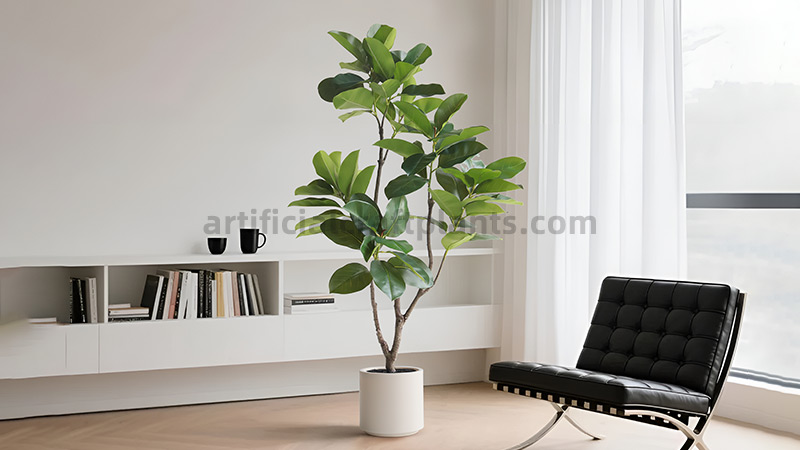
Artificial trees aren't science fiction – they're already enhancing spaces from shopping malls to urban plazas. Modern manufacturing combines advanced polymers with steel frames to create surprisingly realistic trunks, branches, and foliage. The secret lies in injection-molded plastics that capture intricate leaf veins and natural color variations. Seriously, the detail achievable today would astonish anyone who remembers those shiny plastic trees of the 90s!
Core Materials and Construction
Most artificial trees use UV-resistant polyethylene (PE) leaves on powder-coated steel frames. High-end versions even incorporate real wood trunks! Manufacturers layer foliage clusters by hand to mimic nature's randomness – no two artificial trees are identical.
Environmental Impact Considerations
While artificial trees eliminate watering needs, their plastic composition raises valid eco-concerns. We must weigh this against the water conservation benefits in drought-prone areas. Interestingly, well-maintained artificial trees can last 10-15 years1, potentially offsetting their carbon footprint2 versus repeatedly harvesting live trees.
Sustainability Innovations
New developments include recycled ocean plastics and biodegradable polymers3. Some manufacturers now offer take-back programs to repurpose old artificial trees into new products.
Real vs. Artificial: Practical Comparison
Let's be honest – maintaining live trees can feel like a part-time job. Artificial alternatives offer consistent aesthetics without seasonal shedding or pest concerns. Yet nothing replicates the subtle scent and texture of real foliage. Your choice ultimately depends on whether you prioritize convenience or authenticity.
Ideal Use Cases
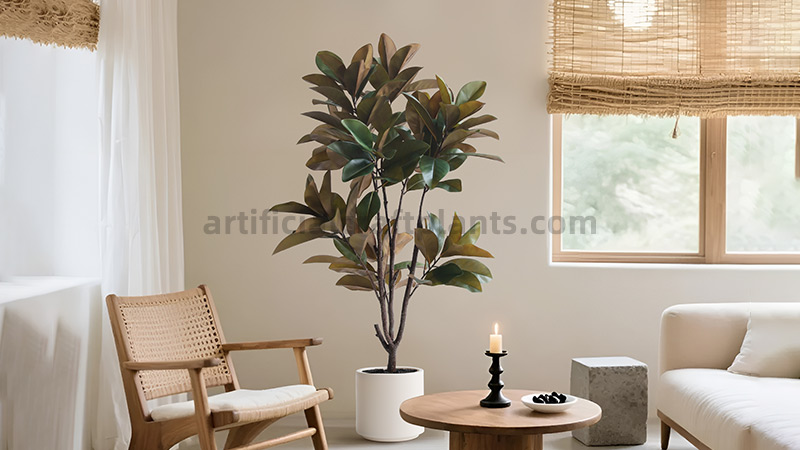
Artificial trees shine in commercial spaces, high-rise balconies, and areas with poor sunlight. For residential gardens, many homeowners blend both – using artificial specimens as low-maintenance focal points among live plantings.
Implementing Artificial Trees Responsibly
Start small with potted specimens before committing to large installations. Work with reputable suppliers who disclose material compositions and offer warranties. Remember to occasionally wipe dust off leaves – it's the only maintenance required! With proper placement and quality selection, artificial trees can provide year-round greenery without constant fuss.
Future Development Outlook
Researchers are exploring solar-integrated artificial trees that generate renewable energy while providing shade. Others are developing responsive "smart trees" that change appearance seasonally through LED-integrated foliage.
References
- Source: ScienceDirect, https://www.sciencedirect.com/science/article/abs/pii/S0959652613002989 (Accessed: 2025-03-28) ↩
- Source: Nature, https://www.nature.com/articles/s41893-019-0229-y (Accessed: 2025-03-28) ↩
- Source: Nature, https://www.nature.com/articles/s41578-020-0195-z (Accessed: 2025-03-28) ↩

Hello everyone, I'm Li!By day, I'm a seasoned expert in the artificial plant industry, starting from the factory floor and working my way up to running my own successful business. In my free time, I’m passionate about running and often join trail runs with friends.Here to share what I've learned—let's grow together!