Discover how artificial greenery transforms spaces with zero maintenance. We'll explore realistic options, placement strategies, and care tips to help you create vibrant, evergreen environments effortlessly.
Why Artificial Greenery Beats Real Plants
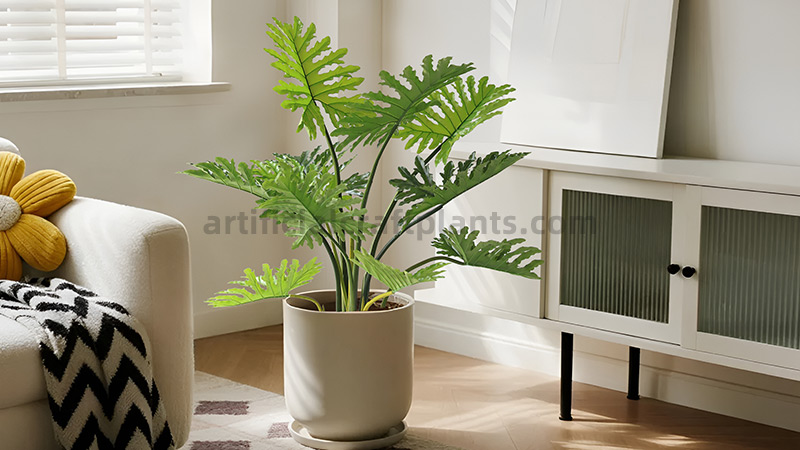
Honestly, we've all killed a philodendron despite our best efforts. Artificial trees, plants and flowers solve this beautifully - they offer year-round perfection without watering schedules or sunlight anxiety. Modern options feature UV-resistant materials that won't fade1, with intricate details like veined leaves and natural-looking soil systems.
Key Benefits You'll Enjoy
- Zero maintenance beyond occasional dusting
- Allergy-free environments
- Consistent aesthetics in any lighting
Choosing Your Artificial Greenery
Material Matters: Silk vs Plastic
Premium silk plants offer incredible realism but require gentle cleaning, while new polyethylene options are nearly indistinguishable and more durable2. Touch the leaves before buying - quality pieces have subtle texture variations just like real foliage.
Size and Scale Secrets
Measure your space twice before selecting. A common mistake? Choosing undersized plants that disappear in rooms. Pro tip: Your artificial tree should occupy 1/6 of the wall it's against for ideal visual impact.
Creative Placement Strategies
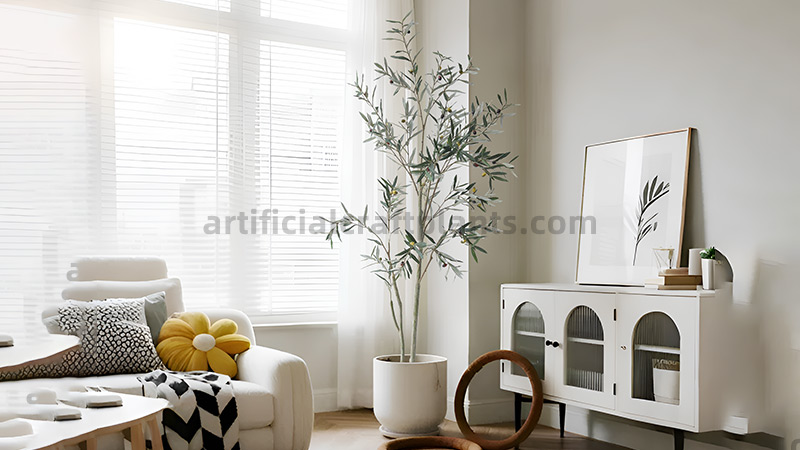
Transform dead corners instantly with artificial olive trees or bamboo clusters. Bathrooms become spa-like sanctuaries with moisture-resistant ferns on vanity tops. We've seen clients create stunning kitchen herb walls using artificial basil and rosemary - no more wilted parsley!
Office Revival Techniques
Liven up workspaces with desktop succulents that never need watering. Seriously, these little productivity boosters make conference rooms feel less sterile without adding tasks to the cleaning crew.
Maintenance Made Simple
Dust plants monthly using a hairdryer on cool setting or microfiber cloth. For deeper cleaning, use a damp cloth with mild soap - just avoid harsh chemicals. Rotate pieces seasonally to prevent uneven sun exposure, though modern UV protection makes this less critical than before.
The Sustainability Question
While artificial plants don't clean air like real ones, their 10-15 year lifespan makes them eco-friendly long-term. Many manufacturers now use recycled plastics3, and when you're ready for change, most artificial greenery is fully recyclable4.
Ultimately, blending artificial and live plants often works best - put the high-maintenance specimens where you'll notice them daily, and let artificial greenery handle the hard-to-reach spots. What will you transform first?
References
-
Source: ScienceDirect, https://www.sciencedirect.com/science/article/abs/pii/S0959652618331872 (Accessed: 2023-11-30) ↩
-
Source: ScienceDirect, https://www.sciencedirect.com/science/article/pii/S0959652618331872 (Accessed: 2023-11-30) ↩
-
Source: Reuters, https://www.reuters.com/business/environment/plastic-waste-crisis-firms-face-2050-carbon-release-study-2023-04-21/ (Accessed: 2023-11-30) ↩
-
Source: UNEP, https://www.unep.org/resources/report/plastics-recycling-challenges-and-opportunities (Accessed: 2023-11-30) ↩

Hello everyone, I'm Li!By day, I'm a seasoned expert in the artificial plant industry, starting from the factory floor and working my way up to running my own successful business. In my free time, I’m passionate about running and often join trail runs with friends.Here to share what I've learned—let's grow together!